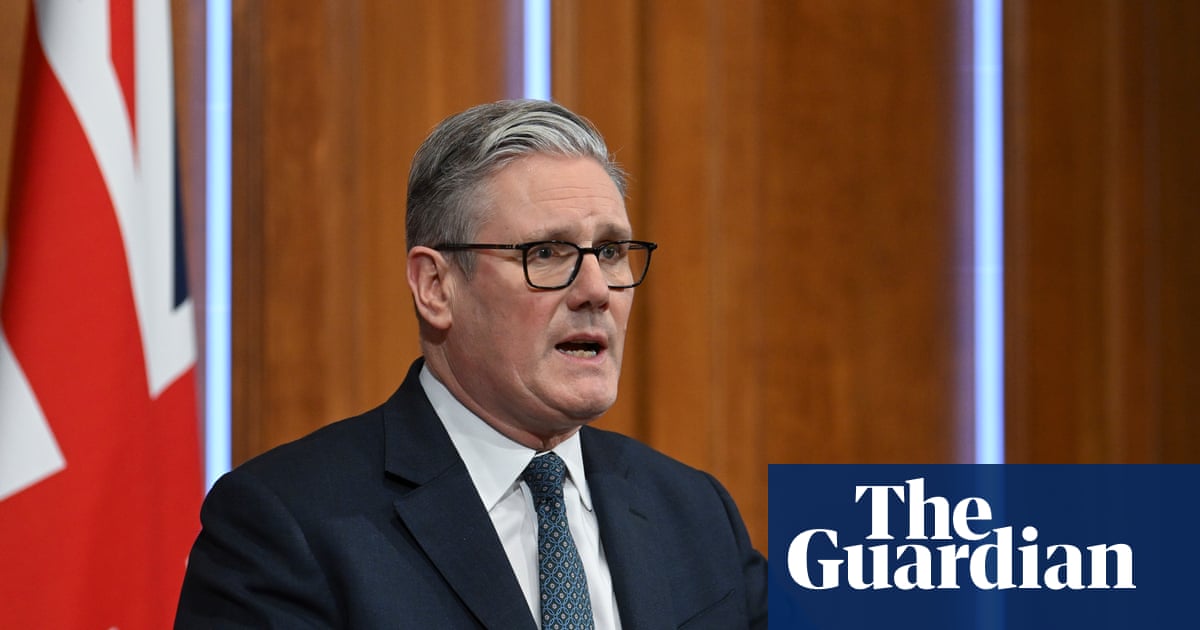
Keir Starmer Stands Firm: Why the UK Won't Join US-Israel Strikes on Iran
In a move that underscores a commitment to independent foreign policy and a nuanced approach to global security, British Prime Minister Keir Starmer has publicly defended the United Kingdom's decision not to join offensive military strikes alongside the United States and Israel against Iran. This pivotal
uk iran decision, articulated as being firmly in the national interest, is rooted in a careful consideration of international law, deeply held principles, and an explicit desire to avert a wider, more devastating conflict in the Middle East. As tensions in the region remain acutely high, Starmer's stance highlights a strategic calculus that prioritizes de-escalation and the long-term stability of the international order over immediate military alignment.
The geopolitical landscape of the Middle East is perpetually complex, marked by a delicate balance of power and historical grievances. Against this backdrop, calls for military intervention often arise, particularly in response to perceived threats or aggressions. However, the UK, under Starmer's leadership, has chosen a path of measured restraint, signaling a profound belief that not every crisis demands a military solution, especially when the potential for catastrophic escalation looms large. This article will delve into the multifaceted reasons behind the UK's non-interventionist stance, exploring the legal, ethical, and strategic foundations of this significant foreign policy choice.
A Principled Stand: Prioritizing National Interest and International Law
At the core of Starmer's declaration is the unequivocal assertion that the
uk iran decision is primarily guided by the **national interest**. But what does "national interest" entail in such a volatile context? For the United Kingdom, it encompasses several critical dimensions:
- Security and Stability: Direct military involvement in an offensive capacity against Iran risks drawing the UK into a prolonged and costly conflict. Such an entanglement could destabilize global energy markets, disrupt vital trade routes, and potentially expose the UK to retaliatory actions, thereby undermining national security.
- Economic Impact: A wider regional war would undoubtedly have severe economic repercussions, from soaring oil prices to disruptions in supply chains, impacting British consumers and businesses. Avoiding such a conflict shields the UK economy from unnecessary shocks.
- International Reputation: The UK prides itself on being a proponent of international law and a force for peace and diplomacy. Unilateral or offensive military action, particularly without a clear mandate or broad international consensus, could damage the UK's standing on the global stage and its ability to act as a credible mediator in future disputes.
- Preventing Radicalization: Escalation of conflict in the Middle East often fuels extremism and can have a ripple effect, increasing the risk of radicalization both within the region and globally, including within the UK.
Beyond these practical considerations, Starmer has stressed adherence to **international law**. This is not merely a diplomatic nicety but a foundational principle of the UK's foreign policy. Offensive military action generally requires either a UN Security Council resolution or clear grounds for self-defense under Article 51 of the UN Charter. Without such legal justifications, any intervention risks being perceived as an illegal act of aggression, further destabilizing international relations. Starmer's emphasis on "having the strength to stand firm by our values" reinforces the idea that true strength lies not just in military might, but in upholding a rules-based international order. This principled stance demonstrates a commitment to a framework that, imperfect as it may be, is crucial for global peace and stability.
Navigating the Geopolitical Tightrope: Preventing Regional Escalation
One of the most pressing concerns guiding the UK's non-interventionist stance is the profound risk of **regional escalation**. The Middle East is a powder keg, where even seemingly contained conflicts can rapidly spiral out of control, drawing in multiple state and non-state actors. An offensive military strike against Iran by Western powers could trigger a chain reaction with catastrophic consequences:
- Wider Conflict: Direct engagement could provoke broader Iranian retaliation against regional targets, including US assets, Gulf states, and potentially Israel. This could lead to a full-scale regional war involving multiple countries, each with its own alliances and proxy forces.
- Humanitarian Crisis: Any large-scale conflict would inevitably result in immense human suffering, displacement, and a severe humanitarian crisis, exacerbating existing challenges in the region.
- Global Economic Disruptions: Beyond the immediate economic impact on the UK, a major conflict in the Middle East would send shockwaves through global energy markets, potentially crippling economies worldwide. The Strait of Hormuz, a critical chokepoint for global oil shipments, could be threatened, leading to unprecedented energy price spikes.
- Terrorism Resurgence: Regional instability often creates fertile ground for extremist groups to thrive, potentially leading to a resurgence of terrorist activities that could threaten international security, including the UK.
Starmer's explicit aim to avoid a "wider war" reflects a sober assessment of these dangers. The UK, historically a significant player in international diplomacy, understands the importance of strategic restraint in preventing such a scenario. Rather than contributing to further militarization, the British government appears to be signaling a preference for diplomatic off-ramps and de-escalation, even when faced with significant pressure from close allies. This `uk iran decision` underscores the understanding that sometimes, the most effective action is strategic inaction, allowing space for diplomatic solutions to emerge.
The UK's Independent Path: Beyond Allied Pressure
The decision by the UK not to join US-Israel strikes is particularly noteworthy given the "special relationship" between the UK and the US, and the strong alliance with Israel. This highlights the UK's capacity and willingness to forge an **independent foreign policy**, even when it means diverging from its closest partners.
While the UK shares intelligence and collaborates extensively with both the US and Israel on various security matters, Starmer's stance demonstrates that this partnership does not equate to automatic military alignment, especially in offensive actions that lack a clear international legal basis or consensus. This independent path reflects:
- Sovereignty: Ultimately, decisions regarding military engagement are a sovereign right and responsibility of the British government, accountable to the British people.
- Strategic Autonomy: The UK possesses its own intelligence capabilities, military assessments, and strategic objectives. These may not always perfectly align with those of other nations, even allies. The `uk iran decision` is a product of the UK's own strategic calculus.
- Leadership and Courage: Standing firm against allied pressure requires significant political courage and a clear vision of national interest. Starmer's resolve signals a commitment to lead with conviction rather than merely follow.
This approach doesn't signify a weakening of alliances but rather a mature and nuanced understanding of them. It suggests that while collaboration is vital, each nation must ultimately make choices that best serve its own security, values, and long-term strategic goals.
The Diplomatic Imperative: Tools for Peace
Instead of military intervention, the UK's non-participation in offensive strikes implicitly champions the **diplomatic imperative**. This involves prioritizing non-military tools to address international disputes and manage tensions.
*
Dialogue and Negotiation: Sustained diplomatic engagement, even with adversaries, is crucial. Channels for communication, direct or indirect, must remain open to de-escalate crises and explore pathways to peaceful resolutions.
*
Sanctions and Economic Pressure: Targeted sanctions can be an effective tool to modify behavior without resorting to military force. However, their design and implementation require careful consideration to avoid undue humanitarian impact and ensure effectiveness.
*
Multilateralism: Working through international bodies like the United Nations, alongside other nations, lends legitimacy and broadens the impact of diplomatic efforts. The UK, as a permanent member of the UN Security Council, has a particular responsibility to uphold and utilize multilateral frameworks.
*
Confidence-Building Measures: Encouraging steps that reduce mistrust and miscalculation between parties can help defuse tensions and create an environment more conducive to dialogue.
Practical Tip: Governments and international bodies should consistently invest in robust diplomatic infrastructure and capabilities, ensuring that skilled negotiators and clear communication channels are always available. The long-term benefits of sustained diplomatic engagement and conflict prevention far outweigh the often-unforeseen costs and consequences of military conflict. The UK's current stance on the
uk iran decision is a testament to this belief, valuing the patient work of diplomacy over the immediate allure of military might.
Conclusion
Keir Starmer's firm stance against the UK joining US-Israel offensive military strikes on Iran is a significant moment in British foreign policy. It is a decision meticulously grounded in the national interest, a steadfast adherence to international law, and a profound commitment to preventing further regional conflagration. By choosing a path of strategic restraint and prioritizing diplomatic engagement, the UK is signaling its dedication to an independent, principled approach to global challenges. This `uk iran decision` reflects not a weakness, but a strength born of conviction and a clear-eyed assessment of the complex geopolitical landscape. As the world grapples with persistent instability, the UK's resolve to uphold its values and work towards peaceful resolutions offers a crucial example of responsible statecraft in an increasingly uncertain world.