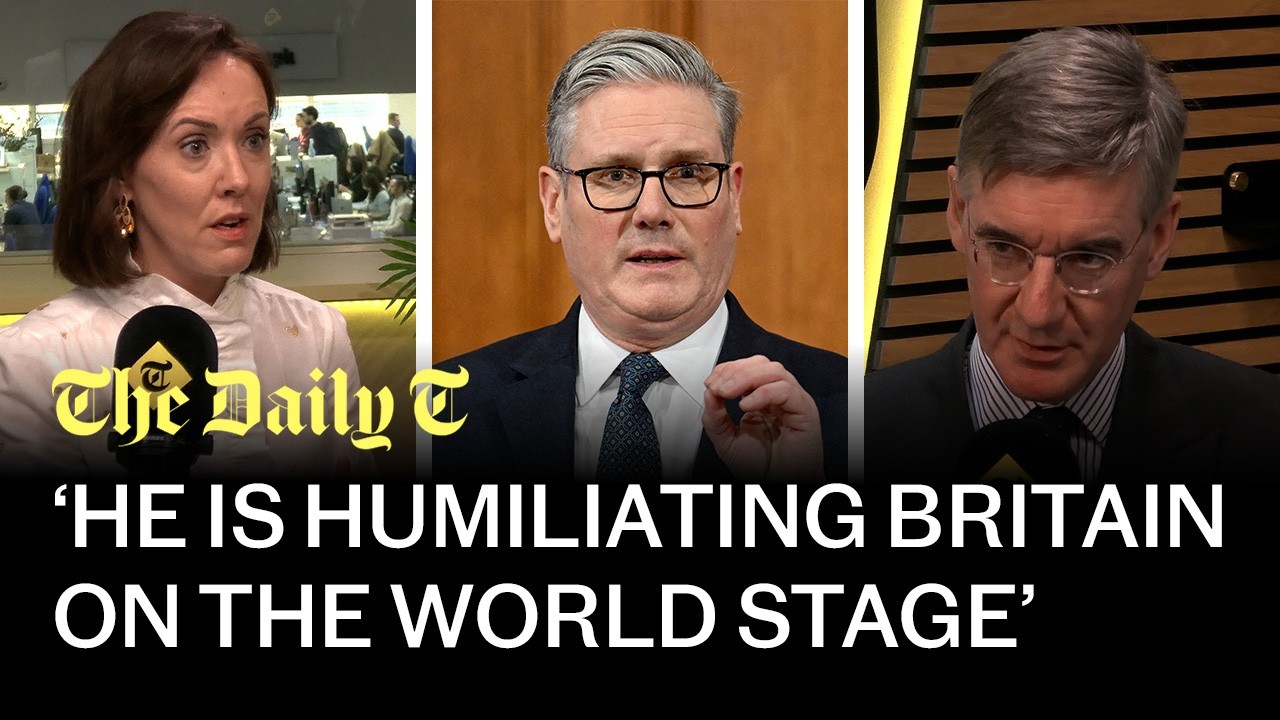
Starmer Defends UK's Iran Stance: National Interest Guides Non-Intervention
In a move that underscores the complex calculus of modern foreign policy, British Prime Minister Keir Starmer has robustly defended the UK's decision to abstain from offensive military strikes against Iran, aligning neither with the United States nor Israel in their initial actions. Starmer's unwavering position emphasizes that this critical uk iran decision was forged in the crucible of national interest, rigorously guided by international law, deeply held principles, and an overriding ambition to avert a catastrophic wider conflict in the Middle East.
This stance represents a significant moment for British foreign policy, demonstrating a commitment to strategic independence even amidst close alliances. It signals a careful balancing act, prioritizing long-term stability and the security of British citizens over immediate military alignment. The Prime Minister's assertion that "having the strength to stand firm by our values" underpins the refusal to join offensive actions against Iran highlights a considered, rather than reactive, approach to an increasingly volatile geopolitical landscape.
The Core of the UK's Stance: National Interest and Legal Framework
At the heart of Starmer's defense lies the concept of "national interest," a multifaceted consideration that transcends immediate military engagement. For the United Kingdom, this encompasses several crucial elements:
- Economic Stability: Escalation in the Middle East would inevitably disrupt global energy markets, impact trade routes, and lead to significant economic fallout, directly affecting the British economy and its citizens.
- Security of Citizens: A wider conflict could put British nationals abroad at heightened risk and potentially increase the threat of retaliatory actions against the UK itself.
- Maintaining Diplomatic Leverage: By not engaging offensively, the UK retains its capacity to act as a potential mediator or facilitator in future de-escalation efforts, preserving channels of communication that might otherwise be severed.
- Focus on Domestic Priorities: Resources committed to a large-scale military intervention would divert funds and attention from pressing domestic issues, including economic recovery, healthcare, and public services.
Beyond pragmatic interests, the decision is also firmly anchored in a commitment to international law. The Prime Minister has consistently reiterated that any military action must be defensible under international legal frameworks. This means distinguishing between legitimate acts of self-defense, which the UK has affirmed its right to support allies in, and offensive operations that could be perceived as disproportionate or lacking a clear legal basis. Adhering to these principles is crucial for maintaining the UK's reputation as a responsible global actor and upholding the rules-based international order. For a deeper dive into this aspect, consider reading UK Prioritizes Peace: Starmer's Legal & Principled Choice on Iran Conflict.
Geopolitical Implications of the UK's Non-Intervention
The UK's independent uk iran decision carries significant geopolitical weight, sending clear signals to allies and adversaries alike. By not joining offensive strikes, the UK demonstrates a willingness to carve its own path, even when it diverges from close partners like the United States. This does not imply a weakening of alliances but rather a nuanced understanding of shared interests versus independent strategic choices.
- Impact on Alliances: While the "special relationship" with the US remains paramount, Starmer's stance highlights that alignment is not automatic, particularly when it comes to offensive military action. It suggests a more mature partnership where independent assessments are respected. Similarly, with Israel, the UK maintains strong diplomatic ties and supports its security, but draws a line at contributing to a potentially destabilizing regional conflict.
- Regional Stability: The Middle East is already a tinderbox of interconnected conflicts. Adding another major power to offensive operations against Iran could trigger a cascade of unforeseen consequences, from proxy wars intensifying across the region to direct confrontations between regional powers. The UK's non-intervention contributes to a marginal reduction in this immediate escalation risk, potentially allowing for diplomatic off-ramps.
- Global Perception: This decision could enhance the UK's standing as a nation committed to de-escalation and diplomatic solutions. In an era where military intervention often leads to prolonged instability, a refusal to join offensive actions can be seen as a principled approach that values peace over aggressive posturing.
Furthermore, the humanitarian implications of a wider war are profound. Millions of lives could be at risk, regional displacement could skyrocket, and the already fragile infrastructure of several nations could collapse. The UK's position implicitly acknowledges these potential human costs, reinforcing its commitment to human rights and international humanitarian law.
Navigating Complex Alliances: A Balanced Approach
The balancing act required for this uk iran decision is truly remarkable. The UK maintains deep historical, economic, and security ties with both the US and Israel. Yet, Starmer's government has clearly articulated that these alliances do not equate to a blank cheque for military entanglement. This nuanced approach involves:
- Dialogue over Unilateralism: The UK actively engages with its allies, sharing intelligence and assessments, but reserves the right to make its own strategic choices based on its unique national interest and legal obligations. This fosters a relationship built on mutual respect rather than subservience.
- Support in Defense, Caution in Offense: The UK has consistently affirmed its support for Israel's right to self-defense and has participated in defensive operations to protect allies. However, there is a clear distinction drawn at joining offensive military actions that could exacerbate regional tensions.
- Strategic Autonomy: This decision reaffirms the UK's capacity for independent foreign policy, a critical element of its post-Brexit global identity. It signals that Britain intends to be a player on the world stage with its own voice and strategic priorities, not merely an echo of its larger allies.
For more detailed insights into the Prime Minister's firm stance, consider reading Keir Starmer Stands Firm: Why the UK Won't Join US-Israel Strikes on Iran.
Future Outlook: The Path Forward for the UK's Iran Policy
Starmer's defense of the UK's non-interventionist stance on offensive strikes against Iran is not merely a reactive measure but indicative of a broader, long-term foreign policy vision. The path forward for the UK's Iran policy is likely to be characterized by several key tenets:
- Emphasis on Diplomacy and Sanctions: The UK will continue to advocate for diplomatic solutions to de-escalate tensions with Iran. This includes leveraging international platforms and multilateral agreements, and potentially maintaining targeted sanctions that aim to curb specific activities without provoking wider conflict. The goal is to encourage Iran to adhere to international norms and non-proliferation commitments through pressure and negotiation, rather than military confrontation.
- Commitment to Non-Proliferation: A central pillar of the UK's strategy will remain the prevention of nuclear proliferation. This involves continued support for the Joint Comprehensive Plan of Action (JCPOA) – or a successor agreement – and rigorous international inspections to ensure Iran does not develop nuclear weapons.
- Regional Engagement: The UK will likely seek to engage with a broader range of regional actors, including Gulf states, to foster dialogue and build trust. This proactive engagement aims to reduce misunderstandings and build a collective security framework that mitigates the risk of conflict. Practical tips for fostering such engagement include supporting UN-led initiatives, participating in regional security forums, and offering expertise in conflict resolution.
- Balancing Deterrence with Dialogue: While avoiding offensive military action, the UK will still need to demonstrate its commitment to deterring aggression and protecting its interests and those of its allies. This involves maintaining a strong defense posture, conducting joint exercises, and providing defensive support where necessary, while simultaneously keeping diplomatic channels open.
- Humanitarian Focus: Should tensions escalate despite diplomatic efforts, the UK will likely prioritize humanitarian aid and support for civilian populations, preparing for potential crises through international organizations and aid agencies.
The ongoing challenge for the UK will be to maintain this delicate balance, projecting strength and resolve while steadfastly pursuing peace and stability in a region fraught with historical grievances and contemporary rivalries.
Conclusion
British Prime Minister Keir Starmer's staunch defense of the UK's non-interventionist stance on offensive military actions against Iran is a testament to a foreign policy driven by national interest, international law, and a profound commitment to de-escalation. This pivotal uk iran decision underscores the government's resolve to safeguard its own security and economic stability, uphold principled diplomacy, and actively work to prevent a wider, more devastating conflict in the Middle East. By choosing a path of strategic independence and measured engagement, the UK aims to position itself as a responsible global actor, capable of navigating complex alliances while charting its own course towards a more peaceful and stable international order. This approach, while challenging, reflects a long-term vision for British influence that prioritizes sustainable peace over immediate military alignment.